


At Texas Sun Tree Services, our local arborists aim to always exceed our clients’ expectations by consistently providing top-quality tree work, timely service, and fair rates. Whether you need tree removal, trimming, or pruning, our team can expertly handle the job. And we’re grateful when our clients offer feedback about the work that we did for them. Here’s a look at some of our recent reviews. “Absolutely love this company! Great job, and very professional. The owner is personally involved. His site manager Johnny is awesome too! Highly recommend.” — Bill B. “Texas Sun Tree Service was awesome! They were very professional; did the work quickly; and the price was very reasonable. I would highly recommend them to family and friends.” — Anthony S. “Please note that the owner Esteban and Greg Tilton along with their crew of guys were awesome. Very professional and showed up to my house to make sure everything was running smoothly throughout the day. The crew was very knowledgeable and did a wonderful job. Everything was hauled away and they cleaned up all debris. Highly recommend their services, you won’t be disappointed. My trees look great!!” — Andrea G. “Greg Tilton helped us with our estimate and was extremely knowledgeable. I got my tree service date set up quickly and the crew that did the work was great. Great experience overall.” — Jimmy M. “Esteban and his crew got my trees and house looking sharp! They showed up on time, worked fast, and stayed professional the entire time. You can tell they take pride in their work. Highly recommend for great service at an amazing price.” — Gerardo P. “So glad we connected with Esteban and his team. Very professional and got the job done fast! Will definitely use again. Highly recommend!” — Nicholas S. Arborist in San Antonio, TX For expert arborist services in San Antonio, TX and the surrounding area, contact Texas Sun Tree Services at 726-226-3029 . Feel free to give us a call to ask for a tree services estimate in greater San Antonio, TX !
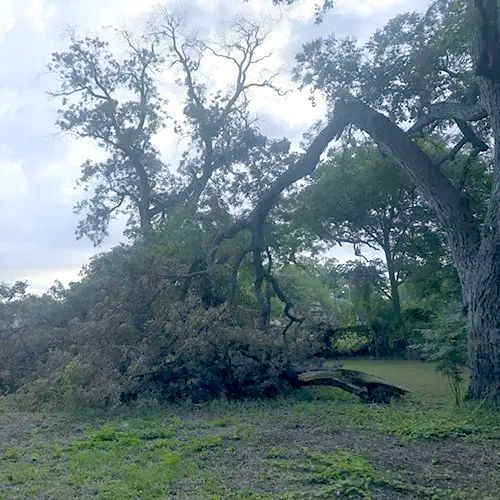
When a tree becomes damaged, diseased, or structurally unstable, it can quickly turn into a safety hazard. Trees that are at risk of falling or dropping large limbs can threaten nearby homes, vehicles, and people. Recognizing the warning signs of a dangerous tree can help property owners take action before a serious accident occurs. At Texas Sun Tree Services, our local arborists provide hazardous tree removal in the greater San Antonio, TX area. If you notice any of the following signs, it’s wise to have the tree professionally evaluated ASAP. Large Dead or Hanging Branches Large dead branches are a major warning sign that a tree could pose a safety risk. These branches may appear brittle, leafless, or partially detached from the tree. Dead limbs are far more likely to break off unexpectedly, especially during high winds. When large branches are hanging over driveways, sidewalks, or structures, they can cause significant damage or injury if they fall. A professional tree service can safely remove these hazardous limbs or determine if the entire tree needs attention. Sudden or Severe Leaning A tree that suddenly begins leaning or appears unstable may be dealing with serious structural issues. While some trees naturally grow with a slight lean, a noticeable shift in position can indicate root damage or soil instability. Leaning trees may also show exposed roots or cracked soil around the base. If the tree appears to be tilting more than it used to or leaning toward a structure, it should be inspected promptly by an arborist. Deep Cracks in the Trunk Cracks or splits in the trunk can weaken the structural integrity of a tree. These issues may develop as a result of storm damage or internal decay. Large vertical cracks or sections where the trunk appears to be separating are particularly concerning. When the trunk is compromised, the tree may no longer be able to support its weight, increasing the risk of sudden collapse. Signs of Advanced Decay/Disease Trees suffering from severe decay or disease often become structurally weak. Signs of internal decay may include fungal growth on the trunk and hollow areas. As the tree’s internal structure deteriorates, it may no longer have the strength needed to remain stable. Professional evaluation can determine whether the tree can be treated or if removal is the safest option. Tree Removal in San Antonio, TX For expert tree removal in San Antonio, TX and the surrounding area, contact Texas Sun Tree Services at 726-226-3029 . Feel free to give us a call to arrange an arborist estimate in greater San Antonio, TX !
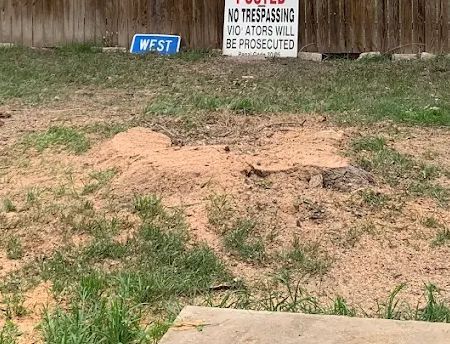
Tree stumps might seem harmless, but they can create a range of problems that extend beyond mere aesthetics. Whether they're leftovers from a recent tree removal or have been lingering in your yard for years, there are compelling reasons to consider their removal. At Texas Sun Tree Services, our local arborists provide expert stump grinding and removal in the greater San Antonio, TX area. Here are five reasons to remove tree stumps from your property. Boost Aesthetic Appeal Tree stumps can be eyesores, disrupting the visual appeal of your landscape. By removing them, you can instantly enhance the aesthetics of your property. This not only improves the overall look of your outdoor space but also creates a more open and inviting environment for you and your guests. Prevent Pest Infestations Tree stumps left to decay can become breeding grounds for pests such as termites, ants, and beetles. These insects can eventually spread to nearby healthy trees or even your home. By removing tree stumps promptly, you can mitigate the risk of pest infestations and protect the overall health of your landscape. Prevent Safety Hazards Tree stumps pose safety risks, especially in high-traffic areas or places where children play. They can be tripping hazards, leading to injuries and accidents. Removing tree stumps eliminates these potential dangers, making your yard a safer place for everyone. Free Up Space Tree stumps occupy valuable space that could be put to better use. Whether you have plans for a new garden bed or other landscaping projects, opens up space and provides a clean slate for your creative endeavors. Easier Yard Maintenance Lawn mowing and other yard maintenance tasks can be challenging when tree stumps are present. Stumps can damage lawnmower blades and impede the efficiency of landscaping equipment. Removing them makes it easier to keep your yard in top condition without the hindrance of obstacles. Stump Grinding & Removal in San Antonio, TX For stump grinding and removal in San Antonio, TX and the surrounding area, contact Texas Sun Tree Services at 210-405-1125 . Feel free to give us a call today to ask for a free arborist estimate in San Antonio !
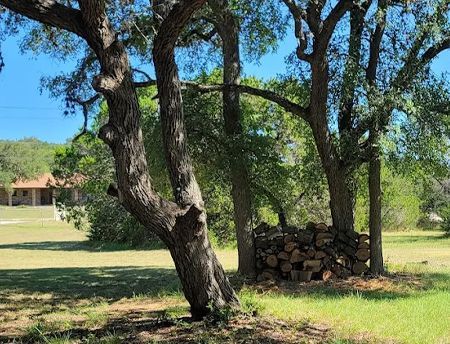
Texas is home to a wide variety of trees that contribute to the state's natural beauty. However, these trees are not immune to the threats posed by various diseases. If a tree on your property appears to be diseased, then it could become a safety hazard by being more susceptible to toppling over in high winds. It’s best to call in an experienced arborist if you notice any symptoms of disease in your tree. At Texas Sun Tree Services, our local arborists are experts at identifying diseased trees. Then, we can determine whether the tree can be saved or should be safely removed. Here are four tree diseases in Texas. Oak Wilt One of the most notorious tree diseases in Texas is oak wilt, a fungal infection that primarily targets oak trees. Spread through interconnected root systems and sap-feeding beetles, oak wilt disrupts the tree's water-conducting vessels, leading to wilting and eventual death. The disease can spread rapidly, making early detection and prompt action crucial for containment. Fire Blight Fire blight is notorious for affecting some fruit trees such as pears. This bacterial infection causes branches to appear scorched, as if affected by fire, hence the name. Warm and humid conditions favor the spread of fire blight, and infected branches may exude a sticky substance. Pruning affected branches and promoting good air circulation can help manage and prevent the disease. Pecan Scab Pecan trees, a staple in many Texas landscapes, are susceptible to pecan scab, a fungal disease caused by Venturia effusa. This disease manifests as dark, scaly lesions on leaves, nuts, and twigs. Citrus Canker Citrus trees, such as oranges and grapefruits, are susceptible to citrus canker, a bacterial disease that affects leaves, fruit, and stems. Spread through wind-driven rain and contaminated tools, citrus canker results in raised lesions on leaves and premature fruit drop. Tree Services in San Antonio If your tree has symptoms of any of these diseases and you need an arborist in San Antonio, TX and the surrounding area, contact Texas Sun Tree Services at 210-405-1125 . Feel free to give us a call today to ask for a free arborist estimate in San Antonio !
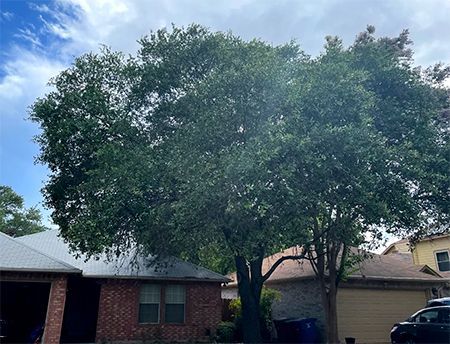
Healthy trees are beautiful landscape features, but when trees become infected with diseases, their condition can quickly decline, at which point they can become prone to toppling over in high winds and causing major property damage. If you think a tree on your property might be diseased, then you should call in an experienced arborist to inspect it. At Texas Sun Tree Services, our local arborists are experts at identifying diseased trees and determining whether the tree can be saved or will need to be safely cut down. Here’s a look at five signs that a tree has a disease. Unusual Leaf Discoloration Oftentimes, one of the first indicators of a tree's declining health is an abnormal change in leaf color. Healthy leaves typically exhibit a vibrant green hue. If you notice discoloration such as yellowing, browning, or spotting, it could be a sign of disease. Premature Leaf Drop Trees undergo a natural process of shedding leaves during certain seasons. However, if a tree starts losing leaves outside of its normal cycle or experiences premature leaf drop, it might be suffering from a disease. This is especially true if the dropped leaves display signs of discoloration, spots, or abnormal patterns. Abnormal Growth Patterns Diseased trees may exhibit unusual growth, including stunted growth or the development of abnormal growths such as cankers. Keep an eye out for any changes in the tree's overall structure or the appearance of growths that seem out of place. Bark Abnormalities A tree's bark serves as its protective layer, and changes in its appearance can signal trouble. Look for signs such as peeling bark, cracks, lesions, or cankers. These may be indications of various diseases, including fungal infections or bacterial infestations. Fungal Growth The presence of fungi on a tree is a red flag. Mushrooms, mold, or fungal conks growing on the trunk or around the base of the tree can signify an underlying disease. Fungi often take advantage of weakened trees, contributing to their decline. Tree Services in San Antonio, TX When you need an arborist in San Antonio, TX and the surrounding area, contact Texas Sun Tree Services at 210-405-1125 . Feel free to give us a call today to request an arborist quote in San Antonio!